
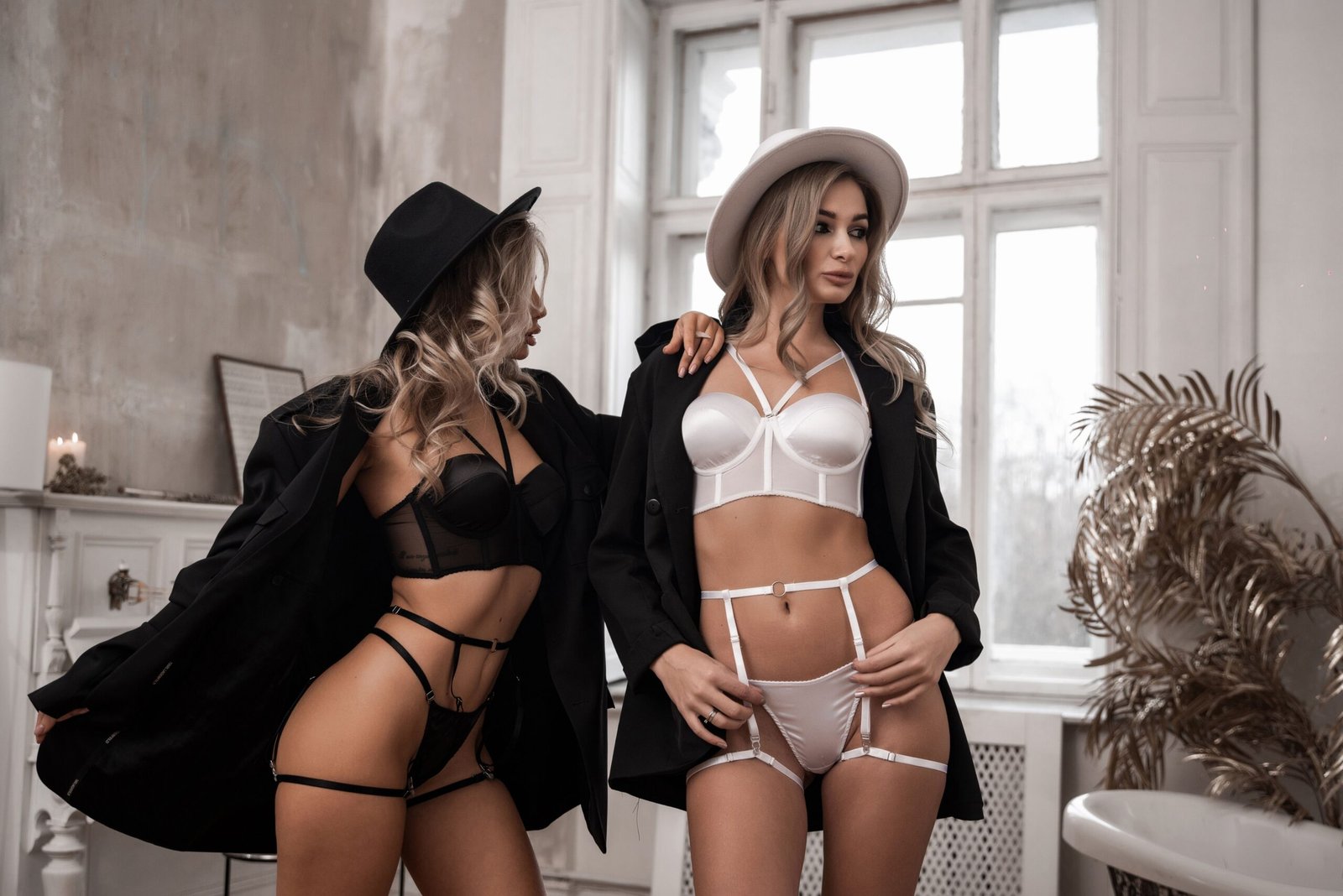
Choosing between lace lingerie vs mesh lingerie starts with understanding how each fabric looks and feels. Lace brings decorative patterns, while mesh creates a fine, net-like surface. Both appear in women’s lingerie, from matching bra and panty sets to bodysuits and bridal lingerie. If you prefer a coordinated outfit, our 3 piece lingerie sets for women guide explains styles, fit, and buying considerations. However, neither fabric name tells you everything about softness, stretch, or coverage. This guide compares their main features so you can choose a lingerie material that suits your preferences.
What Is Lace Lingerie?
Lace lingerie uses fabric with decorative patterns formed by threads and open spaces. Floral lace is a familiar example, although lace can also feature geometric shapes or other motifs. Some garments use lace throughout, while others include lace detailing around the neckline, cups, or waistband. The fabric may feel soft and flexible or firm and textured, depending on its construction, fibre content, and finishing.
What Is Mesh Lingerie?
Mesh lingerie uses fabric with small, regularly spaced openings that create a net-like structure. Fine mesh often looks smooth and sheer, while larger openings create a more visible net pattern. Soft mesh can form the main body of a garment or appear as separate mesh panels. Some designs include stretch mesh for flexibility, while others use firmer mesh in selected areas for structure.
Lace Lingerie vs Mesh Lingerie Quick Comparison
| Feature | Lace Lingerie | Mesh Lingerie |
|---|---|---|
| Appearance | Decorative patterns and textured detail | Fine net structure and a simpler surface |
| Common designs | Floral motifs, scalloped edges, lace trims | Sheer panels, layered sections, clean lines |
| Feel | Varies from soft to firm or textured | Varies from soft and fine to firm or coarse |
| Stretch | Depends on construction and elastane content | Depends on construction and elastane content |
| Coverage | Changes with pattern density and lining | Changes with hole size, layers, and lining |
| Common uses | Bridal sets, bras, briefs, bodysuits | Bras, briefs, bodysuits, panelled lingerie |
Appearance: Decorative Patterns or Simple Sheer Panels?
Delicate lace adds detail through its pattern, making it a common choice for romantic lingerie and bridal sets. Scalloped edges and floral motifs can give even a simple garment a decorative finish. Mesh lingerie usually has a more uniform surface, allowing straps, seams, and panel shapes to stand out. However, the two materials also work together: floral lace cups paired with mesh panels can combine decorative detail with a simpler body section.
Comfort: Which Fabric Feels Better?
Lingerie comfort depends on more than whether a garment contains lace or mesh. Soft mesh may feel smooth, but rough seams or tight elastic can still cause discomfort. Likewise, well-finished lace can feel pleasant, while a stiff lace edge may rub against the skin. Check the lining, seam placement, waistband, and straps alongside the main fabric. A comfortable fit should let you move without digging, pulling, or constant adjustment.
Coverage: Is Lace or Mesh More See-Through?
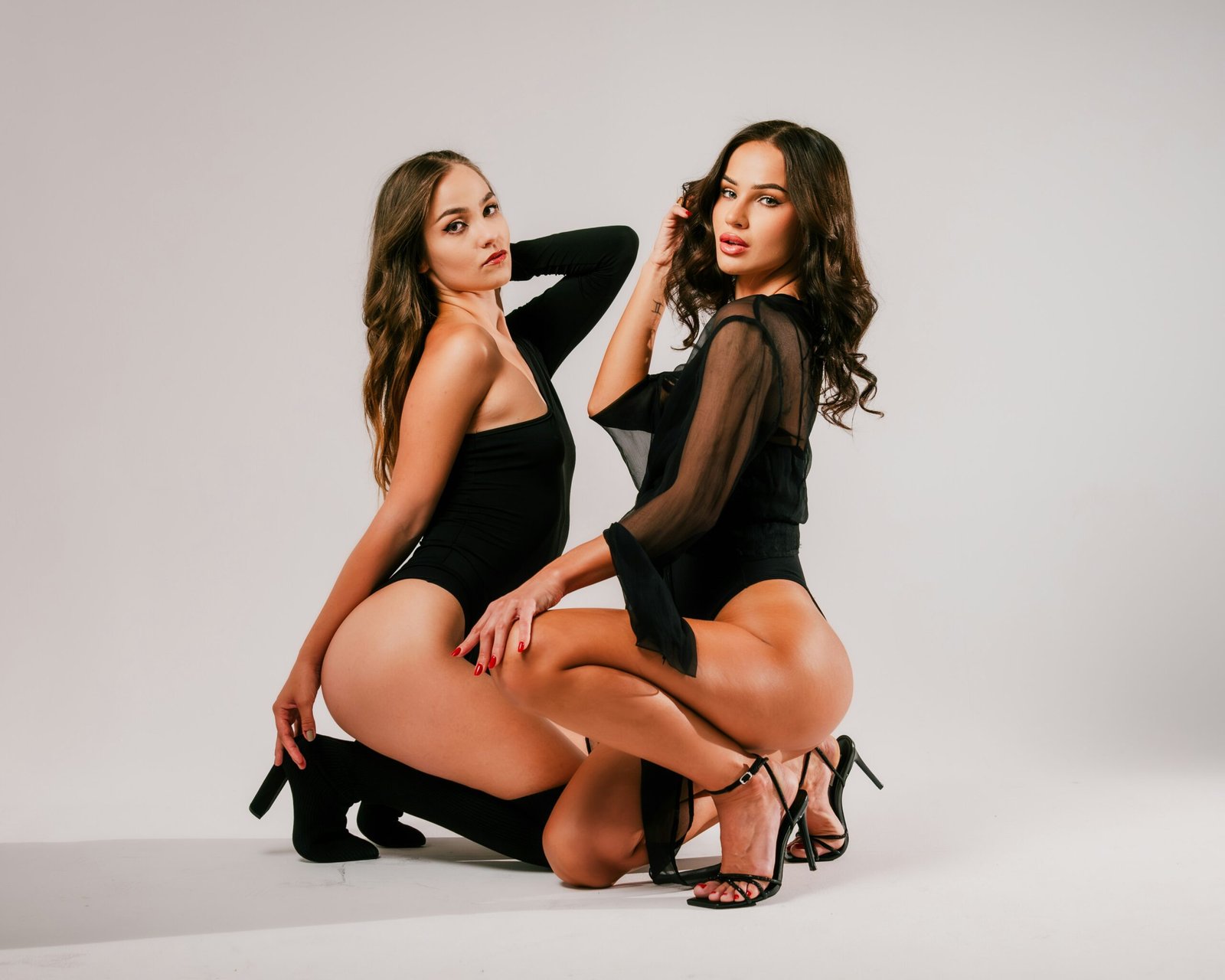
Both materials can create sheer lingerie, but their transparency varies. Lace often alternates between dense motifs and open sections, producing uneven coverage across the garment. Fine mesh may create a more consistent see-through effect. Lining and extra layers can increase concealment in either material. When comparing transparent lingerie, inspect the cups, front panel, and back separately rather than judging coverage from the garment’s colour alone.
Breathability and Pakistan’s Warm Weather
Open fabric structures can allow airflow, but neither lace nor mesh guarantees breathable lingerie. Fibre content, fabric density, lining, and fit all affect how a piece feels. During warm weather in Karachi or Lahore, a lightly lined garment may feel different from one with thick padding or several layers. Consider your room temperature and how long you plan to wear the piece, rather than choosing only by its sheer appearance.
Stretch, Fit and Support
Stretch mesh and stretch lace can both adapt to the body, but flexibility does not mean every size will fit. Compare your measurements with the specific product’s size chart and check the stated fabric composition. Support also depends on garment construction, including the band, cups, straps, and any structured panels. A decorative intimate fabric alone cannot tell you how supportive a bra or bodysuit will feel.
Everyday Wear, Bridal Sets and Occasion Styling
For everyday wear, focus on smooth edges, a suitable lining, and a fit that works under your clothes. Raised lace patterns may show through thin outer layers, while mesh seams can also remain visible. For bridal lingerie or a special occasion, you might prefer floral lace, sheer mesh, or a combination of both. Choose according to your preferred appearance and coverage rather than treating either material as suitable for only one occasion.
Prices and Quality: What Should You Compare?
Neither lace nor mesh is always the cheaper option. Prices in Pakistan vary with fabric quality, pattern complexity, lining, construction, and brand. A simple lace set may cost less than a carefully constructed mesh bra, while intricate lace can increase the price of another garment. Compare similar items and check stitching, elastic, package contents, and delivery charges before deciding which offers better value.
Caring for Lace and Mesh Lingerie

Follow the garment’s care label because washing needs depend on the complete fabric blend and construction. Both lace and fine mesh can catch on jewellery, exposed hooks, or rough surfaces. Handle them gently and avoid pulling the garment into place by a delicate panel. If machine washing is permitted, a lingerie wash bag can help reduce snagging. Use the recommended drying method to protect the fabric and elastic.
Which Should You Choose?
Choose lace lingerie if you enjoy decorative motifs, textured detail, and scalloped finishes. Consider mesh lingerie if you prefer a fine net surface, sheer panels, and simpler lines. For a mix of both, look for designs that combine lace detailing with soft mesh sections. The better choice comes down to the actual garment: check its fit, lining, fabric composition, and finish before buying.
Conclusion
Choosing between lace lingerie vs mesh lingerie in Pakistan comes down to your preferred look, comfort, and coverage. Lace offers decorative patterns and textured detail, while mesh provides a fine net surface with a more uniform sheer appearance. Check the lining, stretch, seams, and measurements before choosing either material. The garment’s shape matters too. If you are comparing different lingerie styles, explore our babydoll vs teddy lingerie guide to understand their fit and comfort differences. Choose a piece that combines the fabric you enjoy with a shape that feels comfortable to wear.
What is the main difference between lace lingerie and mesh lingerie?
Lace lingerie features decorative patterns, such as floral motifs, with dense and open sections. Mesh lingerie has a more regular net-like structure. Both can be sheer or lined, so coverage depends on the specific design.
Is mesh lingerie softer than lace lingerie?
Not always. Fine, soft mesh can feel smooth, but some mesh fabrics feel firm or coarse. Lace can also feel soft and flexible. Fibre content, fabric finishing, seams, and lining all affect how either material feels against the skin.
Does lace lingerie provide more coverage than mesh lingerie?
Dense lace patterns may conceal more in certain areas than a single layer of fine mesh. However, unlined lace can still reveal skin through its openings. Compare the lining and panel construction rather than assuming either material offers more coverage.
Is lace or mesh lingerie more comfortable in Pakistan’s summer?
Lightweight, open fabrics may allow airflow, but comfort also depends on fibre content, padding, lining, and fit. A heavily lined mesh garment may feel warmer than lightweight lace. Check the complete garment rather than choosing by the fabric name alone.